A practical dark web marketplaces list includes Kraken Market, OMG/OMGI, Mega Darknet Markt, and Blacksprut—ranked as the four largest markets in 2025—plus closed names such as Archetyp, Abacus Market, and BidenCash.[1][2][3][4] We advise readers to verify status rather than trust copied .onion links, since takedowns, exit scams, irreversible cryptocurrency payments, and law-enforcement tracing remain major risks.[5][6]
Dark Web Marketplaces Explained
Darknet marketplaces are online platforms where users can buy and sell goods and services, often using cryptocurrency for transactions. These markets typically operate on the dark web, which is a part of the internet that requires special software, like Tor, to access. This software helps to conceal users' identities and locations, making it challenging for law enforcement to monitor activities[7].
It's essential to distinguish between different layers of the internet:
- Surface Web: This is the part of the internet that is indexed by search engines. It includes websites like Google, social media, and news sites. Approximately 10% of the entire web falls into this category.
- Deep Web: This includes all parts of the internet not indexed by standard search engines. It consists of databases, private corporate sites, and other content that requires authentication. The deep web is much larger than the surface web, estimated to be around 90% of the total internet.
- Dark Web: A small segment of the deep web, the dark web contains hidden sites that are not accessible through standard browsers. It is often associated with illegal activities, though it also hosts legitimate content.
Search engines struggle to index the dark web because of its reliance on specific protocols and technologies like .onion services. These services use unique addresses that contain a random string of characters followed by .onion, which are not accessible through standard browsers[8]. This lack of indexing is a critical reason why dark web content remains hidden from typical search results.
Darknet marketplaces often mimic conventional e-commerce, featuring product listings, buyer feedback, and internal messaging systems. However, they also carry significant risks, such as exit scams, where vendors disappear with buyers' funds, and the potential for encountering illegal content[7][9]. Users should approach these platforms with caution, understanding the legal and security implications involved.
Dark Web Marketplaces List: Current Status at a Glance
Navigating the dark web can be tricky, especially when it comes to identifying active marketplaces. Below is a table that summarizes the current status of frequently searched dark web marketplaces, detailing their specialization, reported status, and other relevant information.
| Marketplace Name | Reported Specialization | Reported Status | Date Last Checked | Confidence Level |
|---|---|---|---|---|
| Russian Market | Drugs, counterfeit goods | Active | October 2023 | High |
| BriansClub | Stolen credentials | Active | October 2023 | High |
| STYX Market | Drugs, hacking tools | Active | October 2023 | Medium |
| WeTheNorth | Drugs, weapons | Active | October 2023 | Medium |
| Torzon Market | Hacking tools, stolen data | Active | October 2023 | Medium |
| Exodus Marketplace | Drugs, counterfeit goods | Offline (exit scam) | July 2025 | High |
| Vortex Market | Drugs, hacking tools | Active | October 2023 | Medium |
| BidenCash | Stolen payment card records | Offline (seized) | June 2025 | High |
| FreshTools | Hacking tools | Active | October 2023 | Medium |
| Abacus Market | Drugs, counterfeit goods | Offline (exit scam) | July 2025 | High |
This table emphasizes that while some marketplaces are still operational, others have either been shut down or are suspected to have conducted exit scams. The status can change rapidly due to law enforcement actions or vendor behavior.
When engaging with these marketplaces, it's crucial to be aware of the risks involved, including the potential for scams and legal repercussions. This is particularly important because cryptocurrency transactions are often irreversible, which can complicate recovery if something goes wrong[6].
For those interested in exploring dark web marketplaces, we recommend keeping an eye on reliable sources for updates and verifying any claims about their status—especially before making any transactions.
Profiles of Frequently Searched Dark Web Markets
Understanding the current landscape of dark web marketplaces is essential for anyone considering navigation through this hidden part of the internet. Below, we provide concise profiles of frequently searched dark web markets, highlighting their reported status and associated risks.
Russian Market
- Specialization: Drugs, counterfeit goods
- Status: Active
- Last Checked: October 2023
- Details: This marketplace is known for its extensive listings of illicit goods, primarily catering to Russian-speaking customers.
BriansClub
- Specialization: Stolen credentials
- Status: Active
- Last Checked: October 2023
- Details: BriansClub is a notorious site for buying and selling stolen credit card information. It has maintained a strong presence on the dark web.
STYX Market
- Specialization: Drugs, hacking tools
- Status: Active
- Last Checked: October 2023
- Details: STYX Market is recognized for its diverse offerings in both narcotics and cybercrime tools, making it a popular choice for various users.
WeTheNorth
- Specialization: Drugs, weapons
- Status: Active
- Last Checked: October 2023
- Details: This market has a reputation for selling both illegal drugs and firearms, appealing to a wide range of buyers.
Torzon Market
- Specialization: Hacking tools, stolen data
- Status: Active
- Last Checked: October 2023
- Details: Known for its hacking tools, Torzon Market attracts those interested in cybercrime and data breaches.
Exodus Marketplace
- Specialization: Drugs, counterfeit goods
- Status: Offline (exit scam)
- Last Checked: July 2025
- Details: After experiencing a rapid decline in activity, Exodus Marketplace is suspected of executing an exit scam, leaving many users without their funds.
Vortex Market
- Specialization: Drugs, hacking tools
- Status: Active
- Last Checked: October 2023
- Details: Vortex Market remains operational, offering both narcotics and various hacking tools.
BidenCash
- Specialization: Stolen payment card records
- Status: Offline (seized)
- Last Checked: June 2025
- Details: U.S. authorities seized BidenCash after it amassed a large user base and significant transaction volume, marking a notable law enforcement success.
FreshTools
- Specialization: Hacking tools
- Status: Active
- Last Checked: October 2023
- Details: FreshTools continues to operate, focusing on the sale of hacking-related services and software.
Abacus Market
- Specialization: Drugs, counterfeit goods
- Status: Offline (exit scam)
- Last Checked: July 2025
- Details: Abacus Market reportedly exited with user funds, resulting in significant losses for those who engaged with the platform.
Navigating these marketplaces can be fraught with danger, from potential scams to legal repercussions. Always verify the current status of any marketplace before engaging in any transactions, as situations can change rapidly.
What Dark Web Marketplaces Commonly Sell
Dark web marketplaces are notorious for offering a wide range of illicit products and services. Here’s a look at some major categories of items you might encounter:
Stolen Credentials
This category includes login information for various online accounts, such as social media, banking, and email. Marketplaces like BriansClub specialize in selling these credentials, often in bulk. However, just because a listing appears doesn’t guarantee the credentials are valid or functional.
Payment-Card Data
Dark web vendors frequently offer stolen payment card information, which can include card numbers, expiration dates, and CVV codes. Such data can be used for fraudulent transactions. For example, BidenCash was known for trafficking millions of payment-card records before its seizure by authorities[4].
Personal Information
Personal data, including social security numbers and addresses, is often sold on dark web markets. This information can be used for identity theft or fraud. The availability of such data is concerning and raises significant privacy issues.
Malware
Many marketplaces provide malicious software designed to compromise systems, steal data, or perform cyberattacks. Users can purchase various types of malware, including ransomware and keyloggers. STYX Market is one of the platforms where these tools are traded.
Initial Access
Some vendors offer services that provide initial access to compromised networks. This can be particularly appealing to cybercriminals looking to exploit vulnerabilities in organizations. Such listings come with high risks as they often lead to serious legal consequences.
Counterfeit Goods
Counterfeit products, ranging from luxury items to electronics, are commonly sold on dark web marketplaces. Buyers should be cautious, as these products may not only be illegal but also of subpar quality.
Controlled Substances
Drugs remain one of the most prevalent categories on dark web marketplaces, with platforms like Kraken Market and OMG/OMGI leading in this area. It’s important to note that while these listings are abundant, many claims about product availability can be fraudulent. Just seeing a product listing doesn’t guarantee that the item exists or that the seller is legitimate.
While exploring these categories, remember that the dark web is fraught with risks. Listings may be misleading, and engaging with these products can lead to scams or legal issues. Always prioritize safety and legality when navigating this hidden internet space.
How Dark Web Marketplaces Work
Dark web marketplaces operate like traditional e-commerce platforms but with unique features and risks. Understanding these elements is crucial for anyone considering engagement.
Vendor accounts are essential for sellers to list their products and services. Each vendor typically has a profile that includes their reputation score, which reflects feedback from buyers. However, this rating system can be manipulated, meaning a high score doesn't guarantee reliability. Buyers should approach vendor ratings with skepticism.
Escrow services are designed to protect both buyers and sellers. In a typical escrow system, the marketplace holds the buyer's cryptocurrency payment until the product is confirmed as delivered. Some marketplaces allow "finalize early" transactions, which can be risky, as buyers may not receive their items before the payment is released[9].
Cryptocurrency payments are the norm on these platforms, mainly due to their perceived anonymity. However, users should be aware that blockchain transactions are not entirely untraceable and can potentially expose their identity[6]. Additionally, payments made in cryptocurrency usually lack the legal protections that credit card transactions offer, making them a significant risk if a scam occurs[6].
Communication between buyers and vendors often occurs through PGP-encrypted messaging, which adds a layer of security. However, even this can be compromised, especially if users fall victim to phishing attacks or other scams.
Here's a simple flow diagram of the buyer–market–vendor process:
[Buyer] → [Marketplace] → [Vendor]
    ↑                  ↓
   Escrow          Reputation Score
Legal and Fraud Warnings: Engaging with dark web marketplaces can lead to serious legal repercussions, including potential arrest. The items sold often include illegal goods and services, and law enforcement agencies actively monitor these platforms[7]. Moreover, exit scams, where vendors disappear with funds, are common, and buyers often lose their money[3]. Always exercise caution and consider the risks involved before proceeding.
Accessing dark web marketplaces isn't inherently illegal, but what you do there can be. Browsing the dark web via Tor is legal in many jurisdictions, as the FBI notes that it has legitimate uses[7]. However, purchasing, selling, or downloading illegal materials is a different story. Laws vary widely depending on where you are, so always be aware of local regulations.
An important point to remember is that Tor does not guarantee anonymity. While it obscures your IP address, law enforcement agencies have developed various methods to track down users. They can seize servers, trace payments, conduct undercover operations, and even rely on informants. For instance, the dismantling of Archetyp Market in June 2025 resulted in the arrest of numerous users and highlighted the risks involved[2]. Similarly, the seizure of BidenCash, which trafficked millions of payment card records, shows how authorities can effectively target dark web operations[4].
Here are some common tracking methods used by authorities:
- Server Seizures: Taking control of servers hosting illegal marketplaces.
- Payment Tracing: Analyzing cryptocurrency transactions on public ledgers.
- Undercover Operations: Infiltrating marketplaces to gather evidence.
- Account Mistakes: Users inadvertently revealing their identities during transactions.
- Informants: Collaborations with individuals who provide inside information.
The risks are significant. Engaging in transactions can lead to severe legal consequences, including arrest, especially if caught purchasing illegal goods. Always think twice before diving into this hidden part of the internet, and remember that while anonymity can be appealing, it is not guaranteed.
How to Check Marketplace Status Claims Safely
Verifying the status of dark web marketplaces requires a careful approach to avoid falling for scams or misinformation. Here’s a straightforward checklist to guide the reader through the verification process.
Verification Checklist
Check Official Reports: Refer to law enforcement agencies like the FBI or Europol. They often publish updates on active or dismantled marketplaces. For instance, Europol reported the dismantling of Archetyp Market in June 2025, which had over 600,000 users and significant transaction volume[2].
Look for Cybersecurity Research: Established cybersecurity researchers regularly analyze and report on the status of dark web markets. Their findings can provide insights into current operations and potential risks.
Review Court Records: Legal actions against marketplaces can indicate their operational status. For example, the seizure of BidenCash by U.S. authorities highlighted its previous activity in trafficking stolen payment card records[4].
Consult Reputable News Outlets: Articles from trustworthy media sources can provide context on marketplace claims and their reliability.
Status Labels
When checking the status of a marketplace, look for these labels:
- Confirmed: Supported by multiple independent sources, indicating the marketplace is operational.
- Reported: Information is based on credible sources but may not be definitively verified.
- Disputed: Conflicting reports exist; further verification is needed.
- Offline: The marketplace is no longer accessible, often due to law enforcement action or exit scams.
- Unknown: Insufficient information is available to determine the current status.
Why to Avoid Weak Evidence
Be cautious of the following:
- Copied Marketplace Lists: These can quickly become outdated and may not reflect the current status.
- Undated Screenshots: Screenshots without timestamps provide no context and can easily mislead.
- Social Media Claims: Information from social media can be unreliable and often lacks verification.
- Lookalike Domains: Scammers may create fake domains that mimic legitimate marketplaces. Always verify the .onion address against trusted sources; current onion-service addresses should contain 56 characters followed by .onion, while old v2 addresses are no longer valid[8].
By following this checklist, the reader can navigate the complex landscape of dark web marketplaces with greater confidence and safety.
Scam Red Flags, Major Risks, and Legal Alternatives
Navigating the dark web can be treacherous, with various scams lurking at every corner. Here are some red flags to watch out for, along with major risks and legal alternatives for privacy and security.
Scam Red Flags
- Guaranteed Legitimacy: If a marketplace claims to be 100% safe or legal, it’s likely a scam.
- Pressure to Deposit Funds: Sellers demanding immediate payment without allowing for proper verification should raise alarms.
- Inconsistent Addresses: Pay attention to the .onion address. Current onion-service addresses should have 56 characters; anything else may be outdated or fraudulent[8].
- Unsupported Active-Status Claims: If a marketplace makes claims about its operational status without credible sources, be skeptical.
- Phishing Clones: Beware of sites mimicking legitimate marketplaces to steal information. Always verify the URL.
- Fake Mirrors: These are copies of original marketplaces that can be set up to trick users.
- Exit Scams: Vendors disappearing with funds after receiving payment are common. For example, Abacus Market was suspected of an exit scam after a significant drop in transactions[3].
- Malware Downloads: Some listings may offer software that can compromise your system. Avoid downloading anything from untrusted sources.
Major Risks
Engaging with dark web marketplaces carries significant risks, including:
- Identity Theft: Sharing personal information can lead to stolen credentials and fraud.
- Cryptocurrency Loss: Payments made in cryptocurrency are often irreversible, and scams can lead to total loss of funds[6].
- Extortion: Users may be threatened or blackmailed after engaging in transactions.
- Law Enforcement Exposure: Authorities actively monitor these platforms, and users can face severe legal consequences for illegal activities[7].
Legal Alternatives
If privacy and security are your concerns, consider these legal alternatives:
- Privacy Tools: Use VPNs and secure browsers to protect your online activities.
- Cybersecurity Research: Stay informed through reputable cybersecurity research to understand threats and best practices.
- Breach Notifications: Services that inform you if your personal data has been compromised can help mitigate risks.
- Ordinary Online Shopping: Many legitimate platforms now offer privacy-focused shopping experiences without the risks associated with dark web transactions.
By keeping these red flags and risks in mind, the reader can better navigate the dark web's complexities while considering safer, legal alternatives for their online activities.
Dark Web Marketplaces Status Overview
| Marketplace Name | Status | Last Verified | Notes |
|---|---|---|---|
| Archetyp Market | Offline | June 2025 | Dismantled by Europol [2] |
| Abacus Market | Offline | July 2025 | Likely exit scam [3] |
| BidenCash | Offline | June 2025 | Seized by U.S. authorities [4] |
| Kraken Market | Confirmed | 2025 | Largest market for Russian speakers [1] |
| OMG/OMGI | Confirmed | 2025 | Active with significant listings [1] |
| Mega Darknet Markt | Confirmed | 2025 | Popular among users [1] |
| Blacksprut | Confirmed | 2025 | Serves Russian-speaking customers [1] |
| Versus Project | Offline | May 2022 | Extradited cofounder [10] |
| Unknown Marketplace | Unknown | Depends on sources | Check for updates regularly |
Common Mistakes and Misconceptions
Most mistakes begin when a marketplace list is treated as live intelligence.
- Confirmed fact — documented by law enforcement or court records.
- Research assessment — an independent analysis with stated evidence.
- Operator claim — a statement from the marketplace itself.
- Unverified claim — a repost, screenshot, or copied directory entry.
Treating ‘active’ as a permanent status
An ‘active’ label only describes a specific checking date. A reachable page could be outdated, copied, or controlled by someone else. We recommend recording when the status was checked and what evidence supported it.
Giving every source equal weight
An operator announcement is not equal to a seizure notice. Screenshots and copied directories often lack dates, context, and verifiable origins. The correct approach is to label each claim by evidence type rather than blending everything into ‘confirmed.’
Mistaking familiar design for consumer protection
A marketplace can resemble ordinary e-commerce without offering comparable safeguards. Darknet markets commonly use listings, feedback, messages, profiles, and forums[7]. Escrow only controls payment release, while ‘finalize early’ removes even that limited protection[9].
Assuming the largest market must be trustworthy
Size describes activity, not safety, legality, or relevance. UNODC ranked Kraken Market, OMG/OMGI, Mega Darknet Markt, and Blacksprut as the four largest markets in 2025 by blockchain analysis, while noting their mainly Russian-speaking customer base[1]. We suggest checking the ranking method, region, language, and date before interpreting any leaderboard.
Believing an offline market no longer matters
Closure does not erase records or end legal proceedings. The Versus Project stopped operating in May 2022, while its alleged cofounder was extradited to the United States on April 29, 2026[10]. Treat historical listings as archived risk information, not harmless internet archaeology.
Expecting a status directory to provide working links
A useful directory does not need to become a shopping map. Publishing unverified addresses or purchase instructions can direct beginners toward impersonators and criminal services. For a reader in Manchester, the safer format is name, status, checking date, evidence category, and risk note—without clickable marketplace routes.
Frequently asked questions
Is it illegal to browse dark web markets?
Simply accessing Tor or the dark web is not, by itself, proof of criminal activity[7]. Specific content and conduct may still be illegal, including transactions involving prohibited goods[7]. For a reader in Manchester, the key distinction is browsing versus possessing, buying, selling, or facilitating illegal material.
Are there any legit dark web marketplaces?
The DarkNet has legitimate users and purposes, but that does not certify any named marketplace as lawful or trustworthy[7]. Familiar features such as listings, reviews, seller profiles, messaging, and forums can merely imitate ordinary e-commerce[7]. We suggest treating ‘legit’ as unverified unless reliable evidence confirms the operator, goods, and legal status.
What is the biggest darknet market in 2026?
The supplied evidence does not identify one biggest darknet market for 2026. A UNODC report ranked Kraken Market, OMG/OMGI, Mega Darknet Markt, and Blacksprut as the four largest during 2025, mainly serving Russian-speaking customers[1]. We would not convert that historical group ranking into a current winner.
What does dark market mean?
A ‘dark market’ usually means an online marketplace operating within the DarkNet, where non-indexed networks require special software, configuration, or authorization[7]. Such markets often resemble shopping sites but may sell drugs, weapons, stolen goods, counterfeit products, hacking tools, and other prohibited material[7]. The hidden network itself is not automatically criminal; the products and conduct determine the legal risk[7].
Conclusions
A marketplace list should work as a risk filter, not a shopping map.
- Start with evidence. Check the status date, source type, and independent confirmation before trusting any listing.
- Treat ‘active’ as temporary. Reachability does not prove ownership, legality, or reliability.
- Assume financial exposure. Cryptocurrency payments are often irreversible, while escrow offers only limited protection[6].
- Separate browsing from conduct. Tor access alone does not establish criminal activity, but buying, selling, or possessing prohibited material may breach the law[7].
- Choose legal alternatives. For privacy concerns, we suggest reputable security tools, breach alerts, and ordinary retailers rather than an anonymous gamble.
Next, use our Dark Web Market List 2025 to practice comparing names, dates, evidence, and risk labels.
Explore More About the Dark Web
Discover additional resources and insights on our site.
Visit Our ResourcesRelated resources
These services are useful starting points for further research. Useful sites.
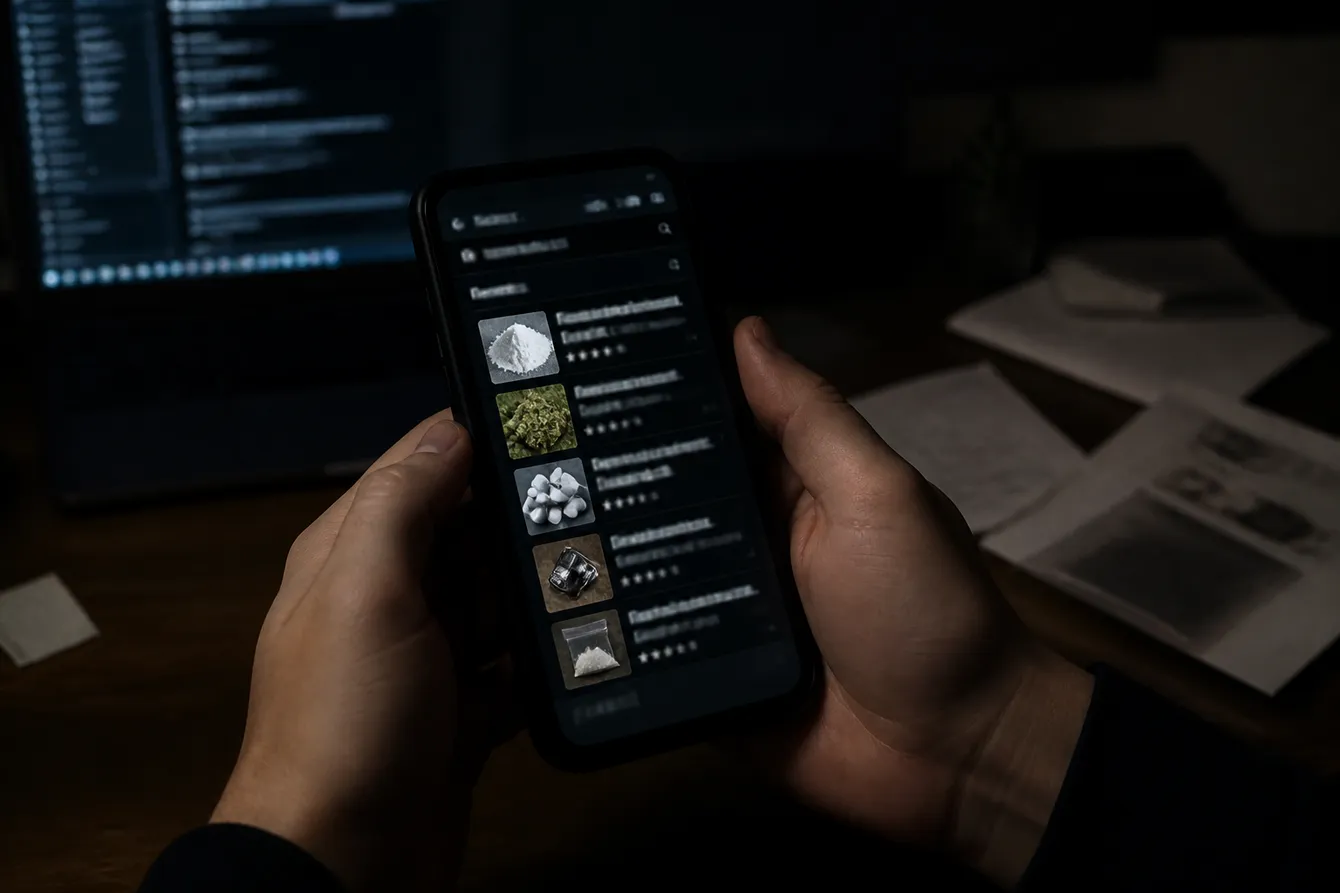
 Dark Web Market List 2025: What You Need to KnowExplore the dark web market list for 2025, including key insights on their status, risks, and legal implications.
 Dark Web Market Place Links: Your Shopping GuideDiscover safe dark web marketplace links and learn how to navigate them while avoiding scams and illegal activities.
 Dark Web Prices List: What to ExpectExplore our dark web prices list to understand what to expect for various goods and services, helping you make informed decisions.
 Dark Web Marketplace Links 2026: What to ExpectExplore the latest dark web marketplace links for 2026, their status, legality, and risks to make informed decisions before visiting onion…