
Key Onion Services to Explore
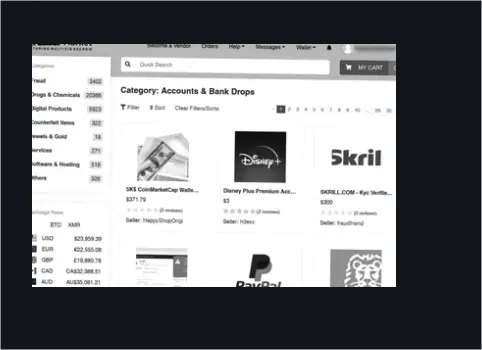
Tor2Door Market
Tor2Door Market — A user-friendly marketplace prioritizing anonymity and quality.
Onionytjm2aoy6o65si4xs3ltqs5jbkzyefvzlyzi4u3srqlljlcdhd6bojqd.onion
Nexus Market
Nexus Market — A marketplace ensuring transaction security with an extensive digital goods selection.
Onionums7mctigzemj3thj7nihnbpdb4evkvwvdfd3obodu2iv2q3s522aiyd.onion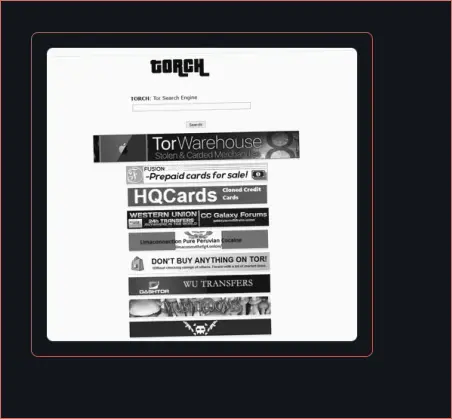
Torch
Torch — Torch offers extensive indexing of .onion sites but beware of fakes.
Onionxmh57jrknzkhv6y3ls3ubitzfqnkrwxhopf5aygthi7d6rplyvk3noyd.onion
LONELY ROAD
LONELY ROAD allows users to receive goods via parcel lockers and offers multilingual support in 12 languages.

Proton Mail
Proton Mail ensures end-to-end encryption for emails, guaranteeing that only intended recipients can read them.

Professor Mariarti
Professor Mariarti — A source for navigating dark web options safely and profitably.
We recommend opening legitimate dark web onion links only in Tor Browser. Setup takes little effort, but verifying each address may take longer than opening it. Find the address through the organization’s official public website or a trusted directory, compare it character by character, and avoid downloads or logins until verified. Success depends on using the exact, current .onion address.
- Step 1: Understand Onion Links
Onion links are web addresses ending in ‘.onion’ that can only be accessed through the Tor Browser. They host hidden services, often providing anonymity to users and site operators. Familiarize yourself with the concept to navigate safely.
- Step 2: Download and Install Tor Browser
Visit the official Tor Project website to download the Tor Browser. Follow the installation instructions for your operating system. After installation, open the browser and ensure it connects to the Tor network.
- Step 3: Find Trusted Onion Links
Search for onion links on reputable forums or communities dedicated to the dark web. Avoid random directories, as they may host malicious sites. Look for discussions or lists shared by users with a good reputation.
- Step 4: Verify Onion Links Before Visiting
Check the onion link against known databases or forums to see if it’s been reported as safe. You can also look for user reviews or comments about the site. This step is crucial to avoid scams.
- Step 5: Open the Onion Link in Tor Browser
Copy the verified onion link and paste it into the Tor Browser’s address bar. Press enter and wait for the site to load. Pay attention to any security warnings that may appear.
- Step 6: Follow a Safety Checklist
Before browsing, ensure your Tor Browser is updated, and avoid sharing personal information. Use a secure connection and be cautious of links within the site. This helps protect your identity and data.
- Step 7: Consider Using a VPN
Using a VPN can add an extra layer of security while using Tor. It masks your IP address from your internet service provider. This is particularly useful if you’re concerned about privacy.
- Step 8: Troubleshoot Failed Onion Links
If an onion link doesn’t load, check for typos in the URL. It’s possible the site is down or has been taken offline. You can also search for alternative links or similar sites.
- Step 9: Stay Aware of Legal Boundaries
Understand that while accessing onion sites is legal, some content may not be. Familiarize yourself with local laws to avoid legal trouble. Be cautious of scams and recognize warning signs of fraudulent sites.
What Are Dark Web Onion Links?
Onion links are unique web addresses ending in ‘.onion’ that identify services available exclusively through the Tor network. These links cannot be accessed using standard web browsers like Chrome or Firefox. Instead, they require the Tor Browser, which routes your connection through multiple servers to maintain anonymity. This anonymity is a key feature, as it allows both users and site operators to browse and host content without revealing their identities.
It's essential to differentiate between the deep web and the dark web. The deep web refers to all parts of the internet not indexed by search engines, including databases, academic resources, and private networks. The dark web, in contrast, is a small segment of the deep web that has been intentionally hidden and is inaccessible without specific software, such as the Tor Browser.
A typical v3 onion address consists of 56 characters before the ‘.onion’ suffix, which makes it quite complex and easily distinguishable. For example, an address may look something like this: 3g2upl4pq6kufc4m.onion. This structure is designed to enhance security and anonymity, ensuring that only users with the correct tools can access the content.
When exploring onion links, it's vital to ensure you have the correct URL, as accessing the wrong site can lead to security risks. If a link fails to load, check for typos or consider that the site may be offline. For more guidance on navigating these hidden sites, check out our resource on Understanding Onion Addresses: Your Key to Hidden Websites.
How to Open an Onion Link with Tor Browser
Opening an onion link is a straightforward process, but it requires attention to detail. Begin by downloading the Tor Browser only from the official site, torproject.org. This ensures that you get the legitimate version, free from malicious alterations. After downloading, verify the domain to confirm its authenticity.
When installing, follow the specific instructions for your operating system. Whether you're using Windows, macOS, or Android, the setup is user-friendly. For Windows and macOS, simply run the installation file and follow the prompts. Android users can find Tor Browser in the Google Play Store, but remember, there’s no official version for iOS.
Once installed, connect to the Tor network. You'll know you’re connected when the browser displays an onion icon in the address bar. This built-in indicator signifies that you’re browsing through the Tor network, enhancing your anonymity. Before diving into the dark web, always update your Tor Browser. Updates often include important security patches that protect against vulnerabilities.
When you're ready to explore, paste the complete .onion URL into the address bar. Ensure it’s the verified link to avoid scams. If the site doesn’t load, check for typos or consider that it may be down.
In case of persistent issues, look for alternative links or similar sites on trusted forums. Remember, the safety of your browsing experience depends on the accuracy of the URL and the security of your connection.
How to Find Onion Links Without Relying on Random Directories
Finding reliable onion links can feel like searching for a needle in a haystack. The key is to prioritize trusted sources to ensure your safety and security while navigating the dark web.
Start by checking official clearnet websites of organizations that operate onion services. Many legitimate services publish their onion addresses directly on their websites. This approach helps you avoid outdated or malicious links that might be found in questionable directories.
Another valuable resource is SecureDrop, which provides a directory of onion services used by journalists and whistleblowers. This directory focuses on verified and secure connections, making it a safer choice compared to random lists you might stumble upon online.
Reputable search tools designed for Tor can also aid in finding valid onion links. These tools are specifically built to index .onion sites and often have community-driven systems that report on the safety of various addresses.
It’s important to be cautious with sources like The Hidden Wiki and other copied link lists. These can contain outdated or even impersonated addresses, leading you to unsafe sites. Always cross-check any links you find with trusted forums or databases before attempting to access them.
To summarize the hierarchy of discovery methods:
- Official websites - Directly published onion links are the most reliable.
- SecureDrop directory - A trusted resource for verified services.
- Reputable Tor-compatible search tools - Utilize community feedback for safety.
- The Hidden Wiki and similar lists - Use with caution, as they may contain outdated or malicious links.
Following this approach will enhance your chances of finding legitimate onion links while keeping your browsing experience secure. If you want to dive deeper into specific resources, check out our guide on Onion Links 2026: Your Updated Guide.
How to Verify a .onion Address Before You Visit
Verifying a .onion address is crucial to ensure you're accessing a legitimate site. Start by comparing the full address with the organization's official website. This is similar to checking a store's address before visiting. If the organization operates a .onion site, it will likely list the correct URL on its main page.
Next, check for a current v3 address. V3 onion addresses are 56 characters long and more secure than older versions. If you come across a shorter or malformed address, it might not be legitimate. Look out for altered characters or unusual branding. Scammers often try to mimic real sites, so any slight deviation in spelling or format can be a red flag.
HTTPS alone does not guarantee that an onion site is safe. While it indicates a secure connection, it doesn’t mean the site itself is legitimate. This is particularly important for .onion addresses, where security measures can vary widely.
Bookmarks are handy once you've verified an address, but never rely on them before confirming the URL. If you encounter issues, like a site not loading, double-check for typos. If everything seems correct, the site might simply be down or removed.
Here are two examples to illustrate the point:
- Legitimate Address:
3g2upl4pq6kufc4m.onion - Lookalike Address:
3g2upl4pq6kufc4m1.onion(note the extra character)
Always take the time to verify before clicking. This pre-click process can save you from potential scams or harmful sites.
Verified Examples of Legitimate Onion Sites
Finding trustworthy onion sites can feel daunting, but several legitimate services operate on the dark web. Below is a categorized table of verified onion sites, all of which have their current addresses confirmed on official clearnet pages at the time of publication.
| Service | Purpose | Verification Source | Account Required | Last Checked |
|---|---|---|---|---|
| DuckDuckGo | Anonymous search engine | Official DuckDuckGo website | No | October 2023 |
| BBC News | News and information | Official BBC News website | No | October 2023 |
| ProPublica | Investigative journalism | Official ProPublica website | No | October 2023 |
| The New York Times | News articles and reporting | Official NYT website | Yes | October 2023 |
| Social networking | Official Facebook website | Yes | October 2023 | |
| SecureDrop | Whistleblower submission platform | Official SecureDrop website | No | October 2023 |
This table lists only services that are known for their lawful operations. If you're unsure about a site, always refer to the official clearnet page of the organization for the most accurate .onion address.
Accessing these sites typically does not require an account, except for services like The New York Times and Facebook. This makes them more accessible for first-time users. However, it's essential to remain cautious with any requests for personal information, particularly on social platforms.
If you encounter issues accessing a site, double-check the URL for typos. Sometimes, sites may be temporarily down or have changed their addresses. In such cases, searching for the service on its official website can lead you to the updated .onion link. Remember, while the dark web can offer valuable resources, it’s vital to stay informed about your online safety and the legality of the content you access.
Safety Checklist for Visiting Onion Sites
Prioritizing safety while exploring onion sites is essential for a secure experience. Start with keeping your Tor Browser updated. Regular updates include critical security patches that can protect against vulnerabilities. Skipping updates is like ignoring the lock on your front door.
Avoid installing extra extensions on your Tor Browser. While they may seem helpful, they can compromise your anonymity and security. Stick to the default settings to enhance your protection.
When handling downloaded documents, do not open them while connected to the internet. Files can contain malware that compromises your privacy. Instead, save them for offline viewing after disconnecting.
Refrain from reusing personal credentials across different sites. This practice minimizes the risk of exposing your identity if one account is compromised. Use unique, strong passwords for each onion site you visit.
Never share identifying information, such as your real name or location. The dark web thrives on anonymity, and revealing personal details can lead to unwanted consequences.
Tor Browser offers three security levels: Standard, Safer, and Safest. Beginners might start with the Standard level for general browsing. If you encounter suspicious sites, switching to Safer will disable certain features that can be exploited. For the most cautious users, the Safest setting blocks scripts and provides maximum protection, though it may limit functionality on some sites.
While Tor greatly enhances privacy, it does not guarantee complete anonymity. Users can still be traced if they reveal their identity or install malware. Always remain vigilant and practice caution. If you encounter issues accessing certain sites, consider checking for updates or exploring alternative links on trusted forums.
Do You Need a VPN with Tor?
Using a VPN with Tor can enhance your privacy, but it’s not strictly necessary. A VPN hides your Tor usage from your local ISP, but it also transfers trust to the VPN provider. This means while your ISP can’t see your activity, the VPN provider can. It’s crucial to remember that using a VPN does not make unsafe onion sites safe.
Here’s a compact comparison between using Tor alone and combining it with a VPN:
| Aspect | Tor Only | VPN before Tor |
|---|---|---|
| ISP Observations | Sees you're using Tor | Sees VPN usage, not Tor |
| VPN Provider | No access to your data | Can see your activity |
| Destination | Anonymized onion address | Anonymized onion address |
This table shows that while a VPN adds a layer of privacy, it doesn’t eliminate risks associated with potentially unsafe onion sites. It’s important to choose a trustworthy VPN provider if you decide to use one.
If you encounter issues or are uncertain about your setup, consult the latest guidance from the Tor Project. They provide valuable insights on best practices for using Tor safely.
Using a VPN can be beneficial in specific scenarios, particularly in countries with strict internet regulations. However, it’s not a one-size-fits-all solution. Always consider your specific needs and the potential trade-offs involved.
Why Onion Links Fail and How to Troubleshoot Them
Onion links can sometimes lead to frustration when they fail to load. Common reasons for encountering issues like “Onion site not found,” timeouts, or connection errors include mistyped addresses, offline services, obsolete v2 links, outdated browsers, incorrect system time, or network blocking.
Mistyped addresses are one of the most frequent culprits. Just as a single letter can change the meaning of a word, a typo in an onion address can lead you to nowhere. Always double-check the URL for accuracy.
Services may also be offline or no longer operational. It's not unusual for onion sites to go down temporarily or permanently. If a site doesn't load after multiple attempts, it might be best to check if the service has a presence on official clearnet websites.
Obsolete v2 links pose another challenge. The transition to v3 onion addresses has made older v2 links less reliable. If you encounter a shorter address with only 16 characters, it's likely outdated. Using a browser that hasn't been updated could also lead to issues, as newer versions of the Tor Browser provide critical security updates and compatibility with current onion services.
Incorrect system time can affect your connection to onion sites. If your device's clock is out of sync, it may cause certificate validation issues, preventing successful connections.
Network blocking is another potential barrier. Some internet service providers or networks may restrict access to Tor. In such cases, Tor bridges can help bypass these restrictions. Tor bridges are alternative entry points to the Tor network that are not publicly listed. For guidance on setting up Tor bridges, refer to the official Tor documentation.
Here’s a quick troubleshooting checklist to follow when facing issues:
- Verify the onion address for typos.
- Check if the site is operational via official sources.
- Ensure your Tor Browser is updated.
- Sync your system time.
- Consider using Tor bridges if access is blocked.
Following this order can help resolve many common issues without compromising your security.
Legal Boundaries, Scams, and Warning Signs
Using Tor and visiting lawful onion services is legal in many jurisdictions, but laws can vary significantly by country. It's essential to understand the legal context in your region before diving into the dark web. Some activities, such as accessing illegal content or engaging in illicit transactions, are universally prohibited.
When exploring onion links, it's crucial to recognize warning signs that may indicate a scam or malicious intent. Here are some red flags to watch for:
- Cryptocurrency-only demands: If a site insists on payment exclusively in cryptocurrency, it might be trying to avoid traceability.
- Escrow impersonation: Be wary of claims that an escrow service is involved, especially if the site itself appears unofficial.
- Forced downloads: If a site prompts you to download files without clear purpose, it could be a trap for malware.
- Requests to disable browser protections: Any site asking you to lower your security settings is likely untrustworthy.
- Claims of guaranteed anonymity: No service can promise complete anonymity; such claims are often misleading.
If you encounter suspicious material or behavior, it's best to leave the site rather than investigate further. Engaging with dubious content can lead to serious risks, including malware infections or credential exposure.
In case of accidental downloads or if you suspect your credentials may have been exposed, follow this emergency action list:
- Disconnect from the internet immediately.
- Run a full antivirus scan on your device.
- Change any passwords that may have been compromised.
- Monitor your accounts for any unauthorized activity.
Staying aware of these legal boundaries and warning signs can help you navigate the dark web more safely. For more information on onion links, check out our guide on Understanding Onion Addresses.
What to Do When It Doesn’t Work
A failed connection is not a reason to weaken Tor Browser. We recommend checking problems in this order:
- Confirm the address source and verification date.
- Check whether the address is current v3 format.
- Compare results across other legitimate onion services.
- Review network restrictions and VPN conflicts.
- Leave any site requesting weaker protections.
The address came from an unverified directory
Public directories may contain outdated links, lookalikes, or malicious replacements. Find the organization’s official clearnet page, then confirm who published the onion address and when the directory last checked it. If that trail is missing, treat the entry like an unsigned parcel and leave it unopened.
The address resembles a service but is not verified
A recognizable word inside an onion address does not prove ownership. Use the current v3 address published through the organization’s official channel, and reject short legacy v2 entries or subtly altered copies. This works for organizations with a clearnet presence; it does not validate anonymous services.
Other onion services open, but this one does not
When other legitimate services load normally, the failed site may be unavailable, retired, or replaced. Check its official service page and the link’s last verification date, then wait rather than changing browser settings. Repeated retries will not revive a discontinued service—Tor is private, not magical.
No onion services load on the current network
A workplace, university, hotel, or public Wi-Fi network may restrict Tor connections. Use Tor Browser’s bridge options and follow current Tor Project guidance, or switch to another network where access is permitted. This applies when the network is blocking Tor; it does not fix a dead onion service.
A VPN appears to break the connection
A VPN can add another failure point, and it is not required for every Tor session. We suggest returning to the setup recommended by the Tor Project rather than cycling through random VPN providers or proxies. This is suitable when local rules allow Tor use; it does not fit situations where exposing Tor usage creates a specific risk.
The page works only after protections are lowered
A broken layout or disabled feature may mean the site depends on scripts blocked by the selected security level. Keep the protection level unchanged and look for an official alternative page or contact method. If the site demands extensions, downloads, or weaker settings, close it rather than ‘fixing’ it.
Frequently asked questions
How to find onion links on Tor?
We recommend starting with an organization’s official clearnet website, verified social profile, or published documentation. Search engines and onion directories can help discovery, but their entries may be stale or impersonated; use them as leads, not proof.
Is Tor 100% untraceable?
No. Tor conceals network routing, but personal logins, reused usernames, document metadata, malware, or opening files outside Tor Browser can expose the reader. We suggest keeping Tor activity separate from identifiable accounts and declining unexpected downloads.
Can you give me some examples of dark web websites?
Legitimate examples include onion services associated with BBC News, ProPublica, and SecureDrop installations used by newsrooms. We recommend obtaining each address from the organization’s official clearnet website rather than copying it from a directory or forum.
What's the difference between dark and deep web?
The deep web covers pages that ordinary search engines do not index, such as webmail, online banking, and private company portals. The dark web is a smaller category requiring specialized access software such as Tor; hidden does not automatically mean illegal.
How do I verify that an onion link is legitimate?
We advise matching the complete onion address against the organization’s official clearnet website and another official channel. Check every character, avoid sponsored lookalikes, and distrust pages requesting downloads, weaker browser protections, or immediate payment. This method suits known organizations; it cannot establish who controls an anonymous service.
Why is an onion link not opening?
First check whether other reputable onion services open in the same Tor Browser session. If they do, the target service is likely offline, retired, or incorrectly copied; if none open, review the network connection, browser status, and bridge settings. Do not install extensions or lower protections just to make one page load.
Is it illegal to access the dark web?
Accessing Tor or a lawful onion service is not itself illegal in the United Kingdom, including Manchester. The reader remains responsible for what they view, download, purchase, or share, just as on the regular web. When legality is unclear, leave the service and seek qualified UK legal advice.
Key Takeaways
Safe onion browsing starts with careful source checking, not adventurous clicking.
- Start with Tor Browser obtained through the Tor Project’s official website.
- Use directories and search tools for discovery, never as proof of authenticity.
- Match the entire onion address against the publisher’s official channels before opening it.
- Keep personal accounts, reused usernames, and unexpected downloads outside the session.
- Leave pages demanding payments, extra software, or reduced browser security.
Address verification works for recognizable organizations with official channels; it cannot confirm who operates an anonymous service. When identity, legality, or purpose remains unclear, we advise closing the page rather than investigating.
Next, learn how addresses work with Understanding Onion Addresses: Your Key to Hidden Websites.
 Onion Links 2026: Your Updated GuideExplore the latest onion links for 2026, ensuring safe access to dark web resources while protecting your privacy and security.
 Onion Links Deep Web: Accessing Hidden ResourcesDiscover what onion links are and how to safely access deep web resources. Learn to navigate hidden sites with confidence.
 Onionland Link: Exploring Hidden ResourcesDiscover the current OnionLand link and learn safe access methods for first-time dark web users.
 Oniondir Link: Your Access PointFind the current OnionDir link and learn how to access it safely with our easy-to-follow instructions.